Commercial Ventilation Systems That Meet Code Requirements
Kitchen Hood Inspection and Repair in Austin for restaurants and food-service facilities facing ventilation compliance issues
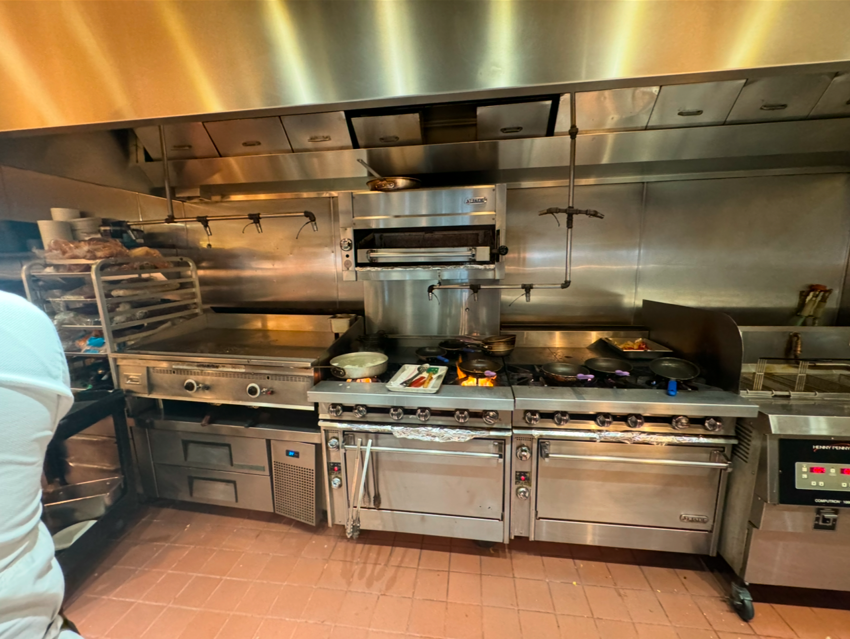
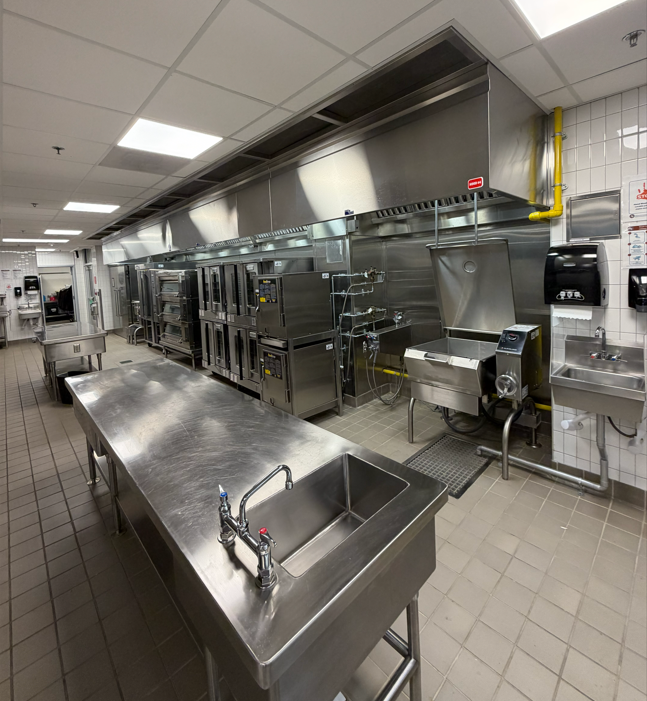
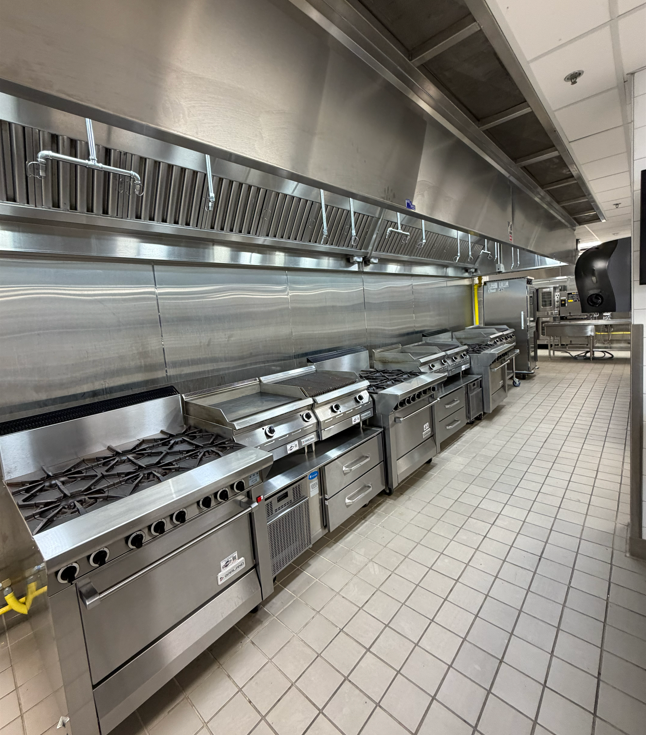
H&S Backflow Testing & Repair handles kitchen hood inspection and repair for commercial kitchens where exhaust systems must perform reliably under continuous high-heat, high-grease conditions. Restaurants, cafeterias, and institutional kitchens depend on these systems to remove smoke, steam, and airborne grease while maintaining proper air balance. When exhaust fans lose capacity or hoods fail to capture contaminants at the cooking surface, kitchens face failed health inspections, uncomfortable working conditions, and fire code violations that can shut down operations.
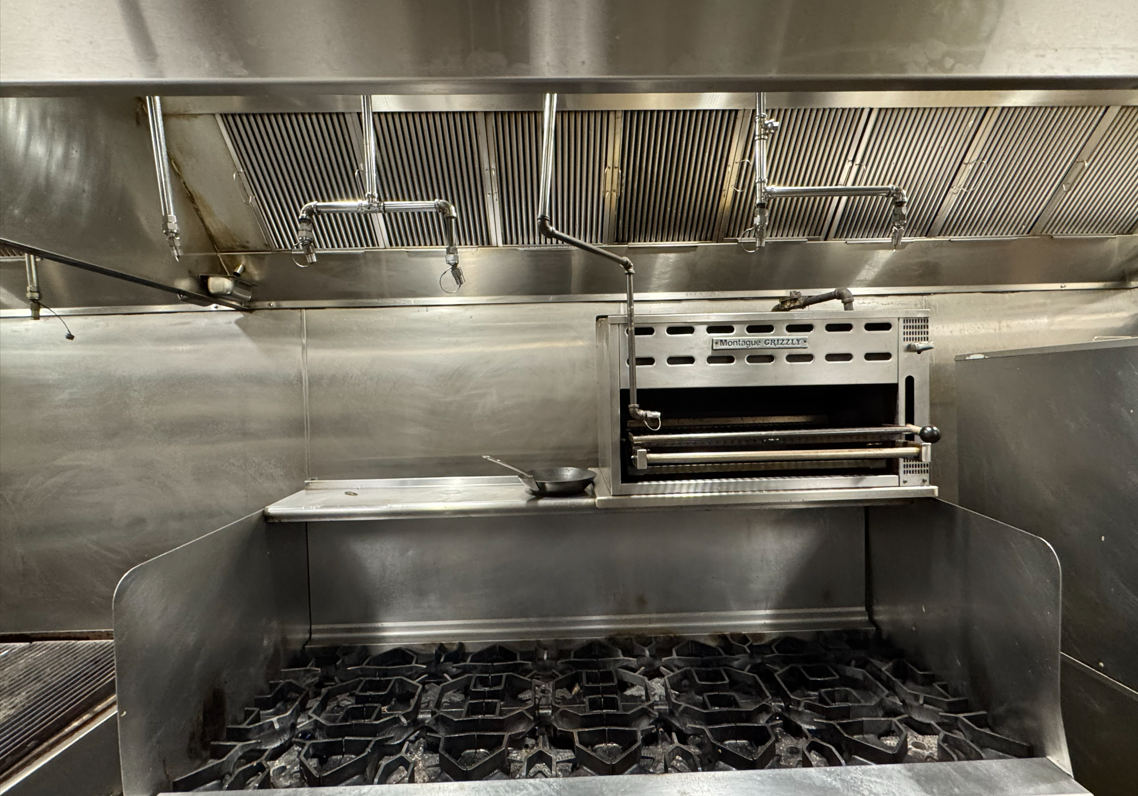
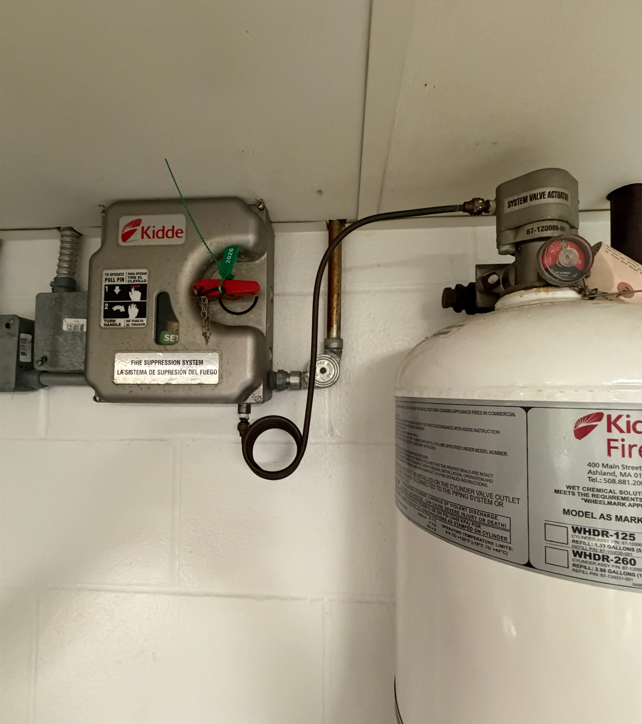
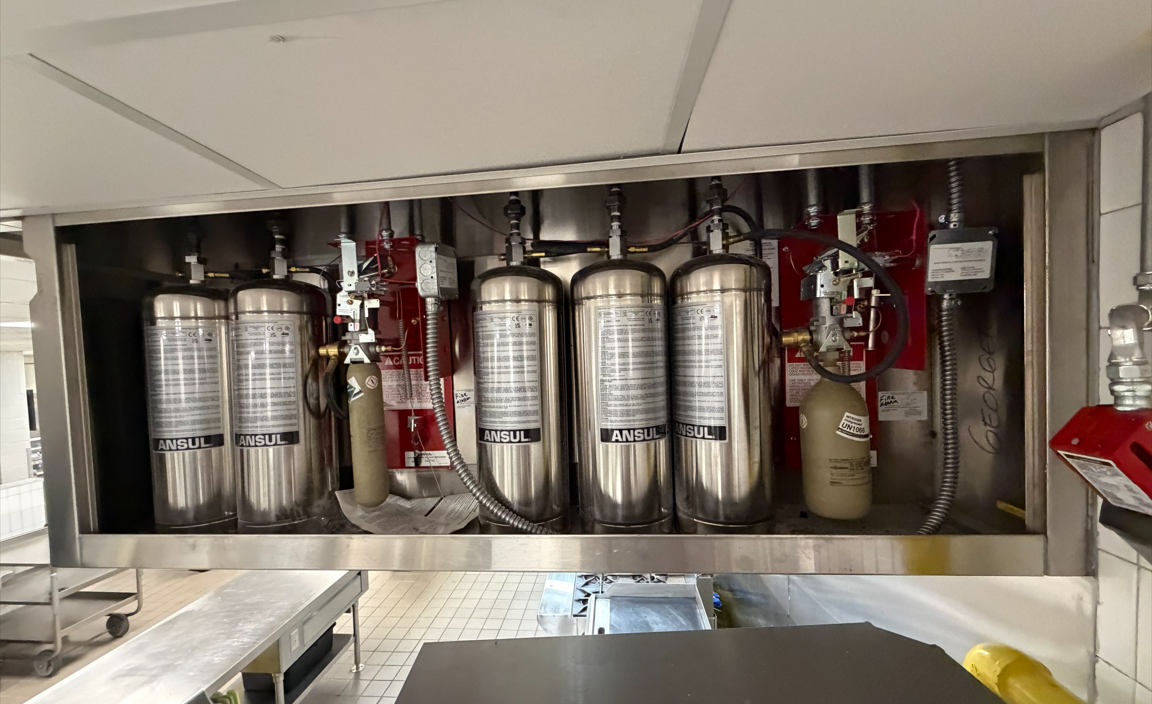
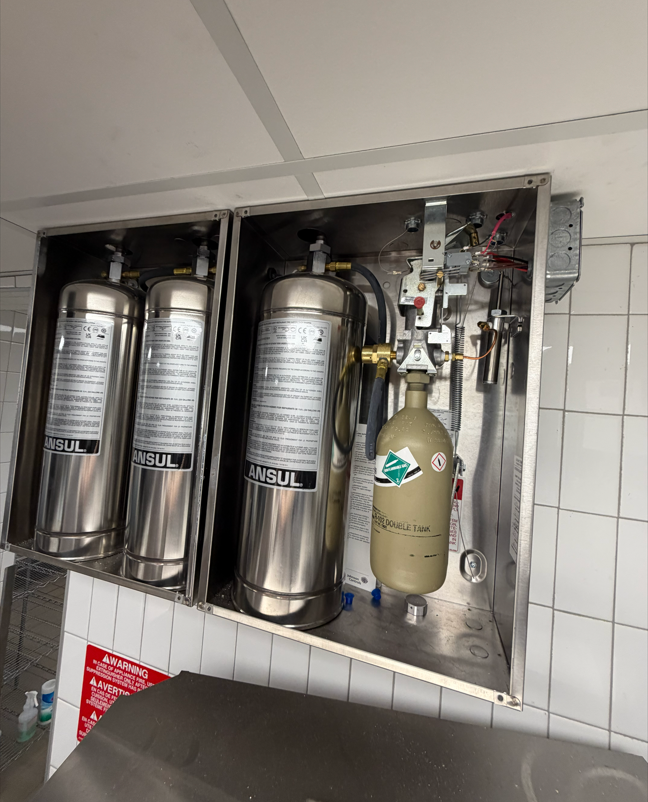
Kitchen hood inspections evaluate the entire ventilation path from the capture hood through ductwork to the exhaust fan and roof termination, checking for grease buildup that restricts airflow, worn fan belts that reduce exhaust capacity, and damaged fire suppression system linkages that compromise safety systems. The inspection identifies failing motors, corroded duct connections, and control malfunctions before they escalate into code violations or equipment failures during peak service hours.
Schedule a commercial kitchen hood inspection to document current system performance and identify components requiring service.
What Proper Hood Service Requires
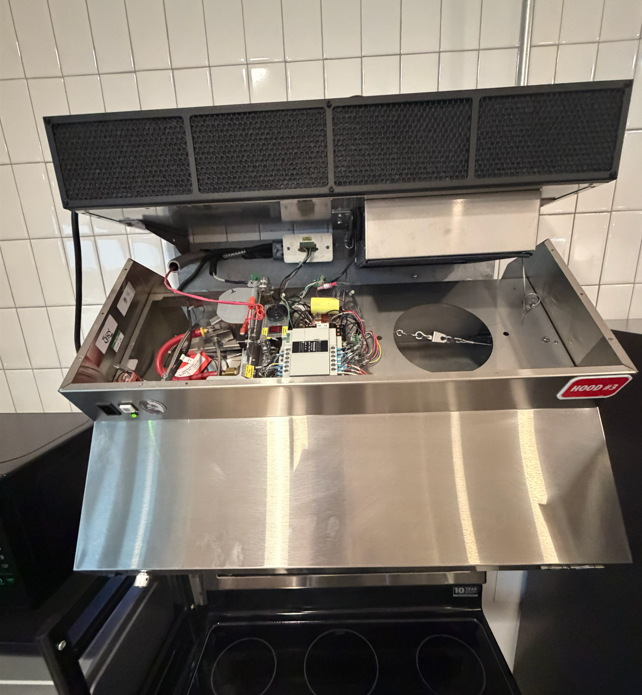
Commercial kitchen hood repair addresses specific mechanical failures within the ventilation system, including motor replacements when bearings seize or windings burn out, belt adjustments and replacements when slippage reduces fan speed, and control repairs when variable speed drives malfunction or exhaust activation switches fail. Inspections measure actual airflow at the hood face and compare it to the design specification required by the fire suppression system and local mechanical codes, since reduced capture velocity allows grease-laden air to escape into the kitchen rather than being exhausted outside.
After repairs are completed, you notice immediate improvements in how effectively smoke clears from the cooking line, reduced kitchen temperatures as heated air is properly exhausted rather than recirculating, and elimination of the labored motor sounds or belt squealing that indicated mechanical stress. Exhaust fans spin at their designed RPM, control panels respond predictably to input changes, and the hood captures steam and smoke without allowing it to drift into dining areas or trigger smoke detectors.
Kitchen hood service includes mechanical component repair and replacement but does not include duct cleaning, which requires separate specialized equipment to remove accumulated grease deposits, or fire suppression system servicing, which must be performed by certified technicians under separate licensing requirements. Repair scope depends on inspection findings and the age of existing equipment, with older systems sometimes requiring complete fan assemblies rather than individual component replacement.
Questions Before Starting Your Service
Commercial kitchen managers and restaurant owners working with H&S Backflow Testing & Repair in Austin typically ask about scheduling inspections around operational demands and understanding what specific repairs involve.
What does a kitchen hood inspection include?
The inspection evaluates fan motor operation and amperage draw, belt condition and tension, duct connections for air leaks or corrosion, control function across all speed settings, and airflow measurement at the hood face to verify it meets the minimum capture velocity required by your fire suppression system and mechanical code.
How do I know when a commercial kitchen hood needs repair?
Visible signs include grease accumulation on kitchen walls or ceilings that indicates inadequate capture, excessive noise from worn bearings or loose components, inconsistent fan operation where speed fluctuates without control input changes, and temperature increases in the kitchen as exhaust capacity declines.
What are common repairs for exhaust fans and ventilation components?
Frequent repairs involve replacing worn or glazed drive belts that slip under load, rebuilding or replacing fan motors when bearings fail, repairing or replacing variable frequency drives that control fan speed, and addressing relay failures in control panels that prevent fans from starting or cause them to run continuously regardless of thermostat settings.
Why is routine inspection important for restaurant hood systems?
Regular inspections identify deteriorating components before they fail during service hours, verify that airflow remains sufficient to satisfy fire code requirements and health department standards, and document compliance for insurance and regulatory purposes, since many jurisdictions require periodic third-party verification of commercial kitchen ventilation performance.
What types of commercial kitchens require hood inspection and repair services?
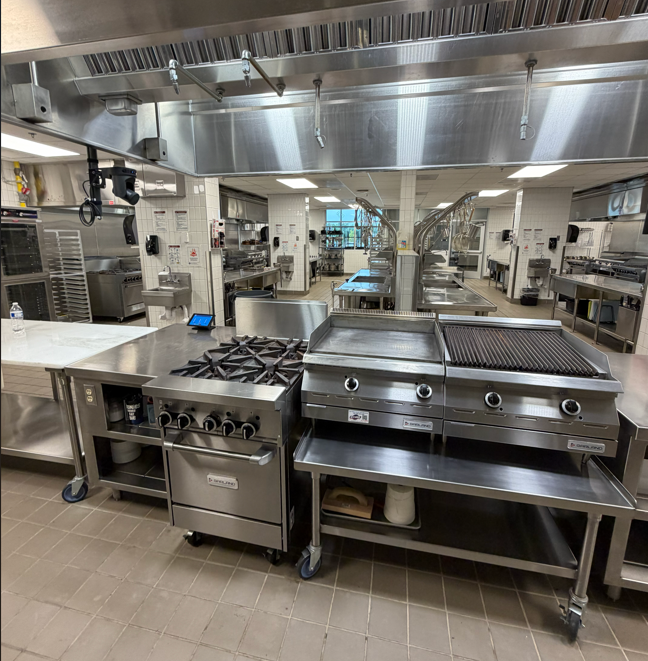
Any facility with commercial cooking equipment requires functional ventilation, including full-service restaurants, fast-casual kitchens, institutional cafeterias in schools and hospitals, hotel kitchens, catering operations, and food trucks with built-in exhaust systems, with inspection frequency and documentation requirements varying based on cooking volume and local health department regulations.
H&S Backflow Testing & Repair works with food-service facilities throughout Austin that need reliable commercial kitchen ventilation to maintain health permits and provide safe working conditions. Request an on-site hood system evaluation to assess current performance and develop a maintenance plan that prevents unexpected failures.